




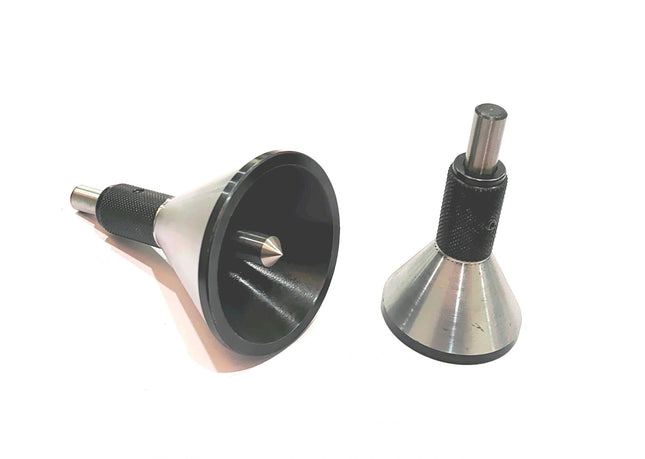


Precision Measuring Tools - Complete Measurement Instruments for Machinists and Engineers
Precision measuring tools are the foundation of accurate machining, engineering, inspection, and quality control. Every manufactured component must be measured, verified, and inspected throughout production to ensure it meets the required dimensions and tolerances. From simple linear measurements to advanced geometric verification, precision measuring instruments provide the information needed to maintain quality, reduce scrap, and improve machining efficiency.
Buyohlic's Precision Measuring Tools collection includes the complete range of measurement instruments used by machinists, engineers, maintenance technicians, toolmakers, and quality control professionals throughout the United States. Whether you're measuring diameters, checking squareness, verifying angles, inspecting tapers, or performing setup operations, our measuring tools deliver the accuracy and reliability required for professional results.
Essential Precision Measuring Tools for Every Workshop
Digital and Vernier Calipers
Calipers are the most commonly used measuring instruments in machine shops and engineering environments. A quality caliper measures outside diameters, inside diameters, depths, and step dimensions from a single instrument. Digital calipers provide fast, easy-to-read measurements, while vernier calipers offer reliable operation without batteries.
Precision Try Squares
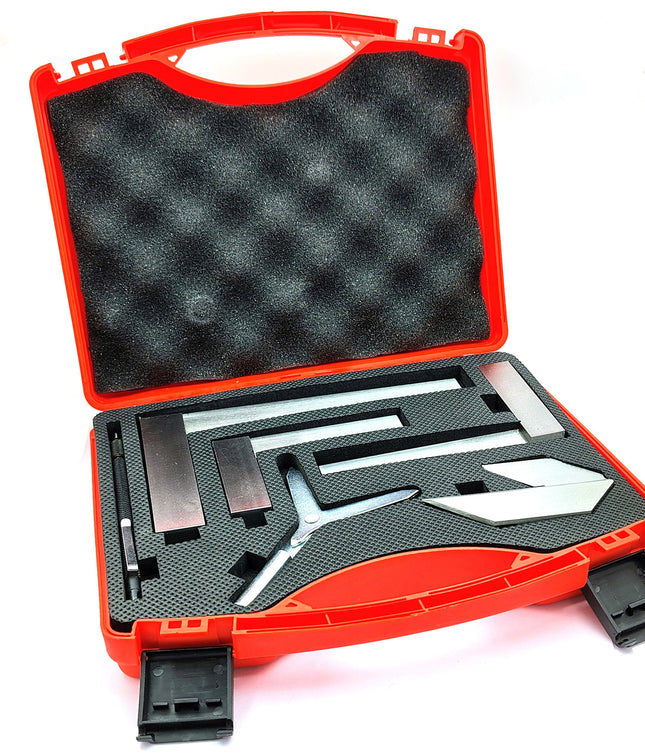
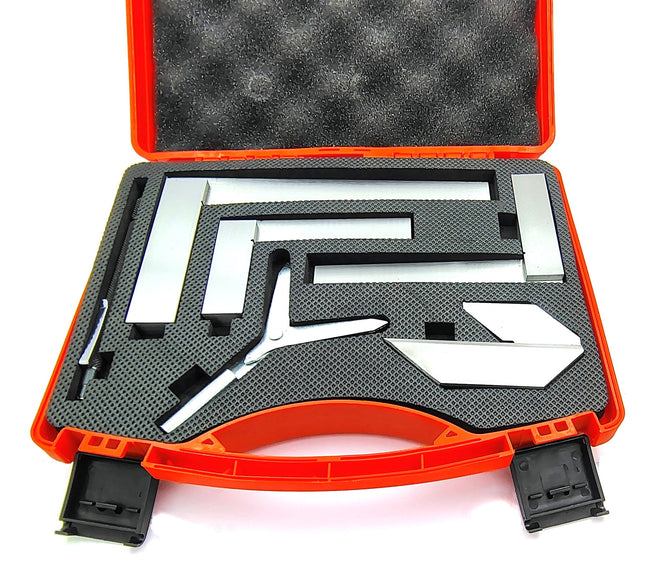
Precision try squares verify squareness between surfaces and are essential for setup, inspection, and quality control. They help ensure machined faces, shoulders, fixtures, and setups remain accurately aligned at 90 degrees.
Steel Rules
Steel rules provide quick linear measurements and layout references. Available in both inch and metric graduations, they remain one of the most versatile measuring tools found in workshops and engineering departments.
Measuring Tapers and Gauges
Taper gauges and measuring tapers verify taper angles and fit in machine tool spindles, tailstocks, and tool-holding systems. These instruments help ensure proper contact, alignment, and tool retention.
Protractors and Angle Measuring Tools
Precision angle measurement tools verify angular dimensions during setup, machining, fabrication, and inspection processes. They are commonly used for checking bevels, chamfers, fixtures, and machine setups.
Applications of Precision Measuring Tools
Precision measuring tools are widely used for:
-
CNC machining
-
Manual machining
-
Toolmaking
-
Quality control
-
Inspection departments
-
Engineering workshops
-
Manufacturing facilities
-
Maintenance operations
-
Product development
-
Prototype machining
Accurate measurements help reduce waste, improve part quality, and ensure consistent production results.
Why Precision Measurement Matters
Measurement is not simply the final step of manufacturing. It is a continuous process that verifies each operation before moving to the next stage. Regular measurement allows machinists and engineers to identify issues early, make necessary corrections, and maintain dimensional accuracy throughout production.
Using high-quality measuring tools ensures confidence in every measurement, helping prevent costly rework and rejected parts.
Why Choose Buyohlic Precision Measuring Tools?
Buyohlic supplies professional-grade measuring instruments trusted by machinists, engineers, inspectors, and manufacturers across the USA. Our collection includes reliable tools designed for accuracy, durability, and long-term performance in demanding workshop environments.
Whether you're equipping a professional machine shop, engineering department, maintenance workshop, or home garage, Buyohlic offers the precision measurement solutions needed to achieve accurate and repeatable results.
Frequently Asked Questions
A machinist's core measuring kit should include a digital caliper, outside micrometer, precision try square, steel rule, dial test indicator, magnetic base, and setup blocks or parallels for accurate measurement and verification.
A vernier caliper uses a mechanical scale and requires no batteries, while a digital caliper displays measurements electronically on an LCD screen. Both provide similar accuracy when properly maintained.
Clean tools before and after use, store them in protective cases, avoid dropping them, verify zero settings regularly, and calibrate critical instruments according to your quality requirements.
A measuring taper verifies taper bore angles in machine tool spindles, tailstocks, and tool holders. It helps identify wear, alignment issues, and taper accuracy.
Some measuring tools are designed for coolant exposure, but standard instruments should be kept dry whenever possible. Always clean and dry tools after contact with coolant or moisture.


