
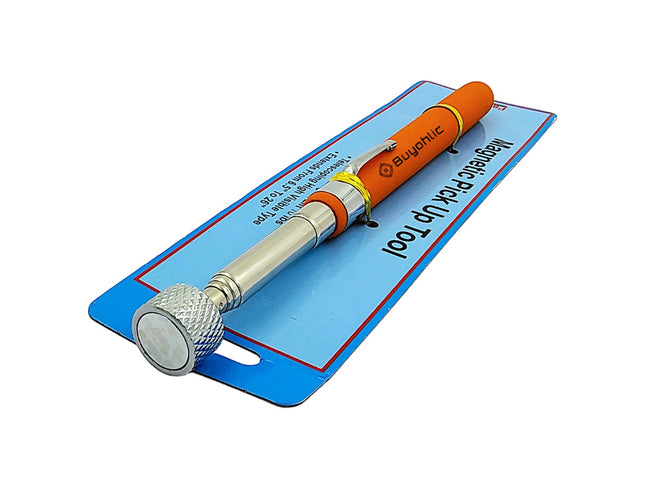
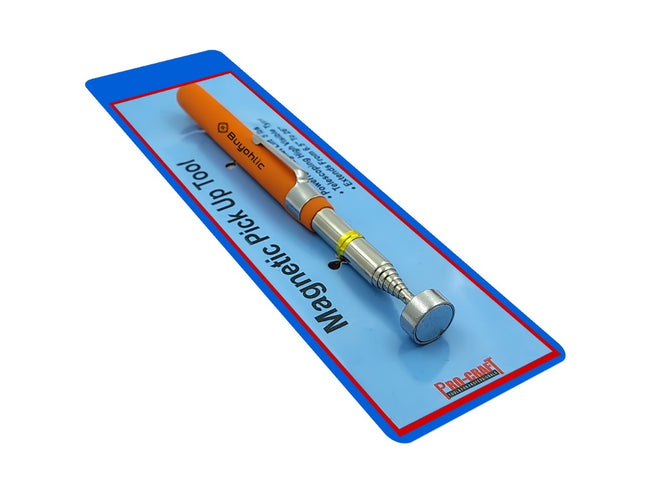


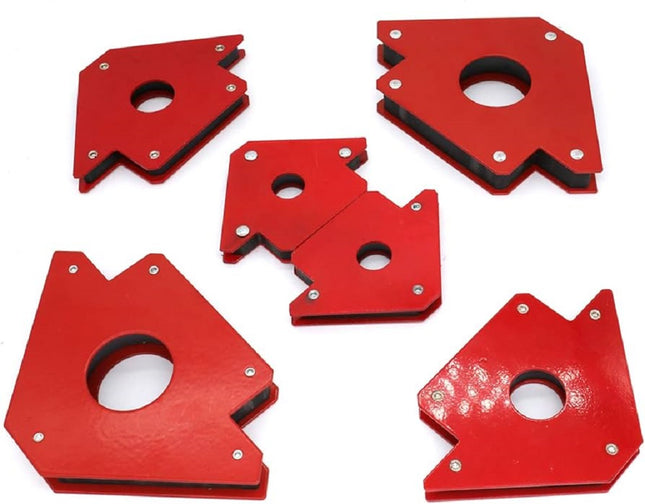
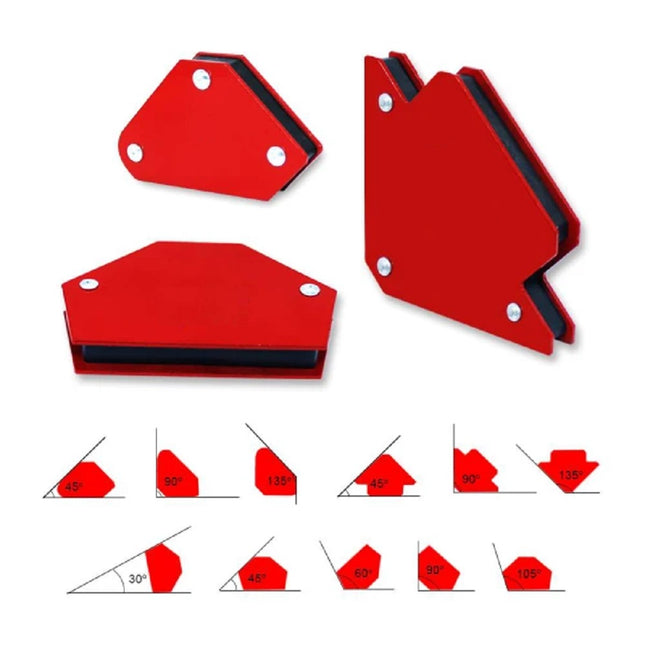


Magnetic tools use embedded or attached magnets to pick up, hold, or organize small metal parts and fasteners, solving one of the most common small frustrations in any workshop: dropped screws, nuts, and bits that are difficult to retrieve by hand. Buyohlic supplies magnetic tools for machinists, mechanics, and DIY builders across the USA who want faster, more reliable handling of small ferrous parts during assembly, repair, and general shop work.
Why Magnetic Tools Save Time
Small fasteners and metal components are notoriously easy to drop and difficult to retrieve, particularly in tight spaces like engine bays, machine interiors, or under workbenches. A magnetic pickup tool extends reach and eliminates the need to search blindly by feel, while magnetic trays and bowls keep loose parts contained and organized on a workbench rather than rolling away.
Beyond simple retrieval, magnetic tools also assist during assembly by holding small parts in position temporarily, freeing up a hand that would otherwise be needed to keep a screw or fastener from falling before it can be secured.
Common Applications
- Retrieving dropped screws, nuts, and small parts in tight spaces
- Holding fasteners in position during one-handed assembly work
- Organizing loose metal parts on a workbench with magnetic trays
- Automotive and machinery repair in hard-to-reach areas
- General workshop cleanup of stray metal debris
Choosing the Right Magnetic Tool
For reaching into tight or hard-to-access areas, a telescoping magnetic pickup tool offers the most flexibility, extending several times its collapsed length. For workbench organization, a magnetic tray or bowl keeps loose parts contained without needing to physically hold or extend anything. Pull force matters for heavier parts; check the tool's rated pull strength if you plan to retrieve or hold anything beyond light fasteners and small hardware.
Magnet Strength and Material Considerations
Rare earth magnets, commonly neodymium, offer significantly higher pull force in a smaller size than standard ferrite magnets, which is why many modern magnetic pickup tools and trays use them despite the higher cost. For everyday light-duty tasks like retrieving screws, standard magnetic strength is sufficient, while heavier retrieval or holding tasks benefit from a tool specifically rated for higher pull force.
Keeping at least one magnetic pickup tool and one magnetic parts tray within easy reach of the workbench is a small investment that consistently saves time across nearly every kind of shop work.


