
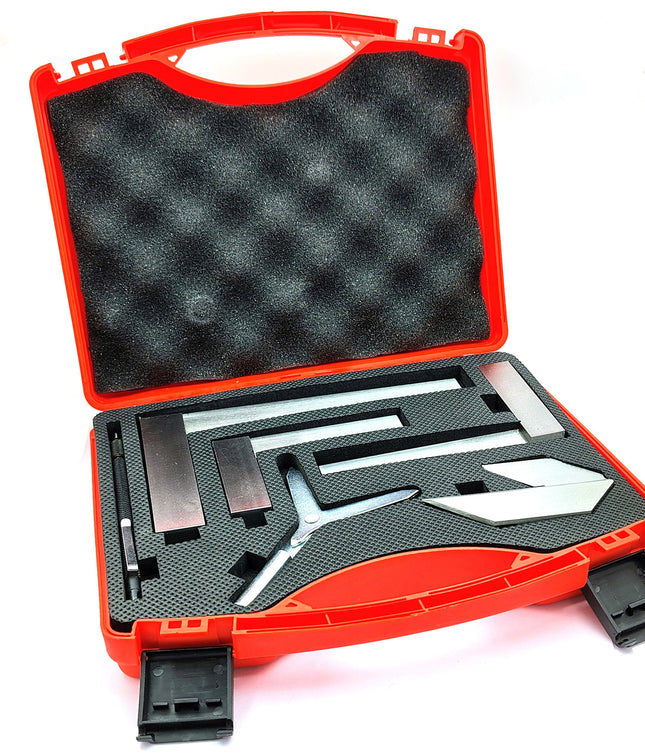
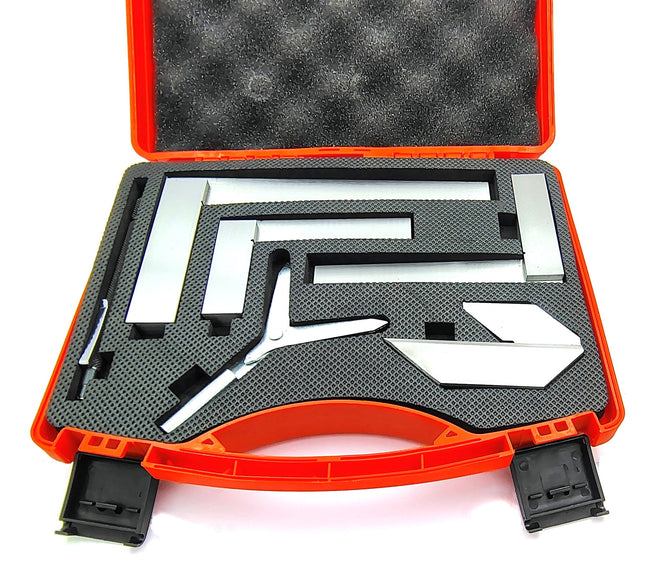


An engineer's tool kit is not a random collection of hand tools thrown together in a case. It is a carefully assembled set of precision instruments that covers the core measurement, layout, and hand machining operations that every practicing engineer and machinist needs to perform accurately and consistently. The difference between a good engineer's kit and a cheap one is not just the tools it contains. It is the calibration of the measuring instruments, the hardness and finish quality of the scribing tools, and the overall system coherence of the set.
Buyohlic engineer's tool kits are assembled for working machinists, engineering students, and workshop professionals in the United States. Each kit provides a foundation of precision instruments covering measurement, layout, and hand operations that professional machinists use daily. Rather than buying each tool individually over time and ending up with inconsistent quality, a complete kit gives you a matched set of tools that work together from day one.
What a Professional Engineer's Kit Should Include
The measurement core of a complete engineer's kit starts with a vernier or digital caliper for general dimensional measurement, a precision steel rule in both inch and metric graduations, and a try square verified at exactly 90 degrees for checking squareness of machined surfaces and setups. These three instruments handle the majority of measurement tasks in any general workshop.
Layout tools in a complete kit include scribers for marking cut lines and feature locations on metal surfaces, center punches for establishing drill entry points, and dividers for transferring measurements and scribing circles. These tools are used before the first machining operation to prepare the workpiece with reference marks that guide every subsequent cut.
Hand finishing tools such as hand reamers, HSS tool bits, and precision files round out a complete engineer's kit for the hand operations that production machines cannot easily perform: fitting a bearing bore to final size, polishing a keyway, or touching up a machined surface to final finish.
Engineer's Kits for Every Level
- Student and apprentice kits: Core measurement and layout tools for learning precision measurement techniques in trade school and apprenticeship programs
- Production machinist kits: Fast-reading digital instruments and robust scribing tools for daily shop floor use
- Tool room and inspection kits: Higher-accuracy instruments for setup verification and first article inspection
- Field service kits: Compact portable tool sets for maintenance engineers and millwrights working on-site
Complete your kit with specialized tools from related collections: scribers for precision layout work, calipers and dividers for measurement, and tool bags for carrying your kit safely between jobs.
Frequently Asked Questions - Engineer's Tool Kits
A working machinist's personal kit should include a digital caliper (6 inch), a combination square, a precision steel rule, a set of scribers, a set of center punches, a 0 to 1 inch micrometer, and a small set of parallels. These tools handle setup, measurement, and layout for the vast majority of machining operations. A dial test indicator and magnetic base complete the kit for machine setup work.
Yes. Buyohlic engineer's tool kits are well-suited for students in CNC machining, mechanical engineering technology, and precision manufacturing programs at US community colleges and technical schools. The kits provide the precision instruments required for coursework and lab operations at a price point appropriate for students who are building their first professional tool set.
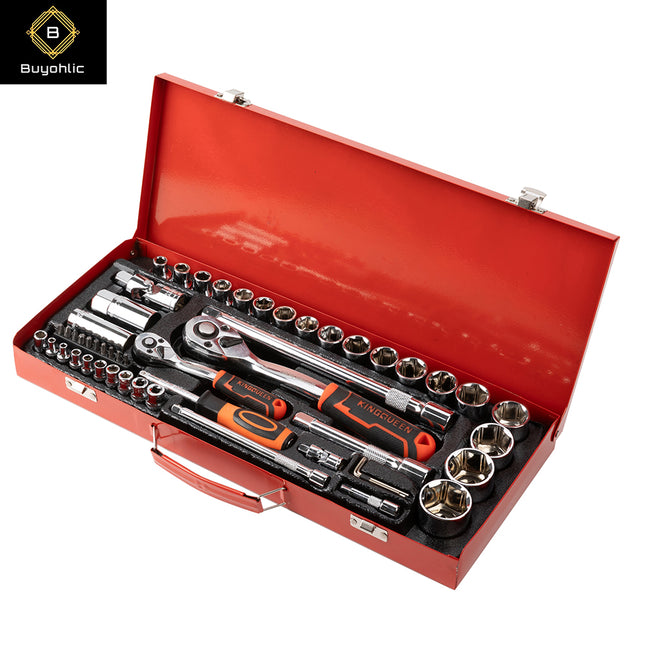
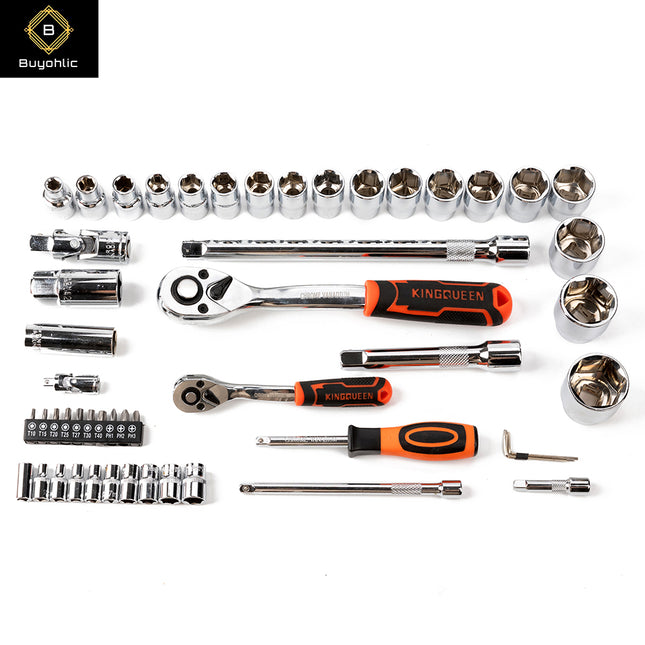
An engineer's tool kit focuses on precision measurement and layout instruments: calipers, squares, scribers, and micrometers. A mechanic's tool set focuses on fastener removal and installation: wrenches, sockets, screwdrivers, and ratchets. Engineers and machinists need both categories but buy them separately. A complete professional kit includes precision measuring tools supplemented by the specific hand tools required for the work being done.
Most Buyohlic engineer's tool kits include a fitted storage case or tool roll that keeps each instrument in a dedicated position. A good case protects precision instruments from shop contamination, prevents tool-on-tool contact that damages cutting edges and measuring surfaces, and makes it easy to identify when an instrument is missing before you leave the job site.


