


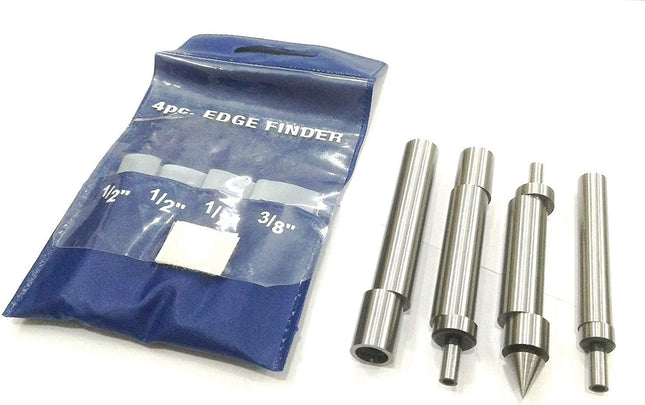
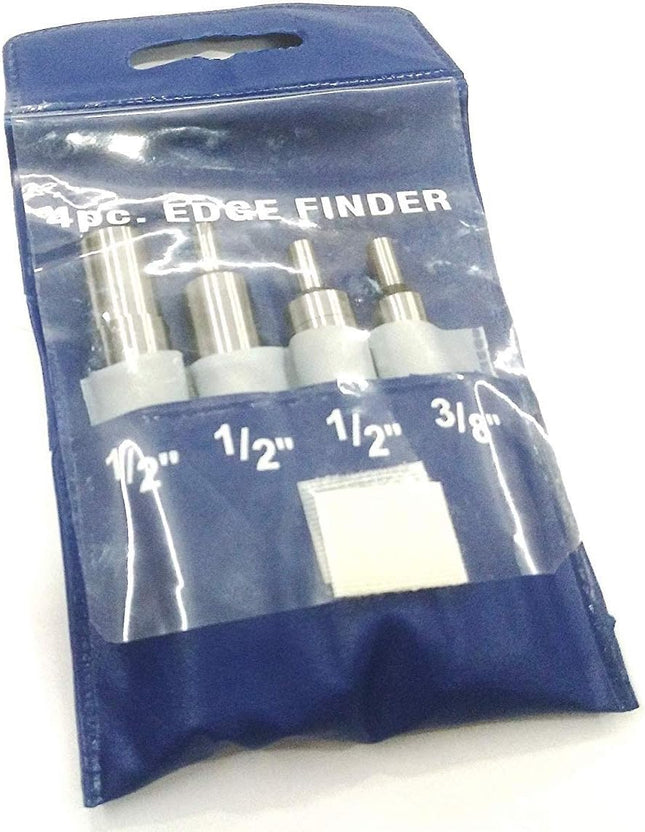
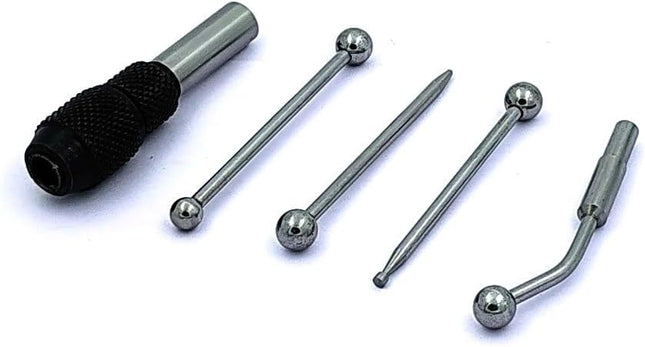
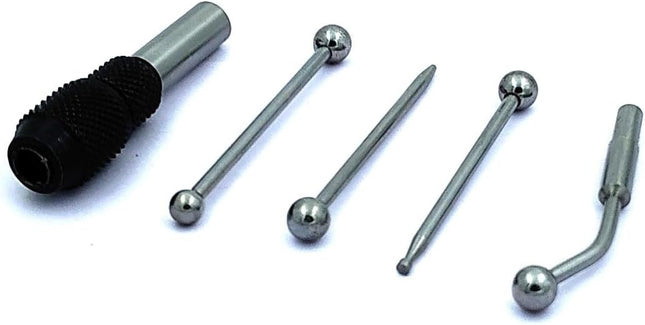


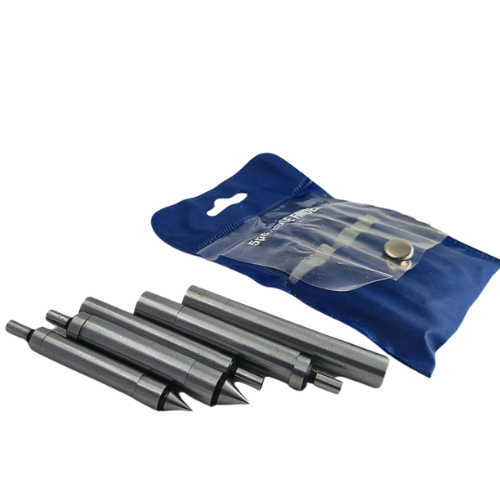
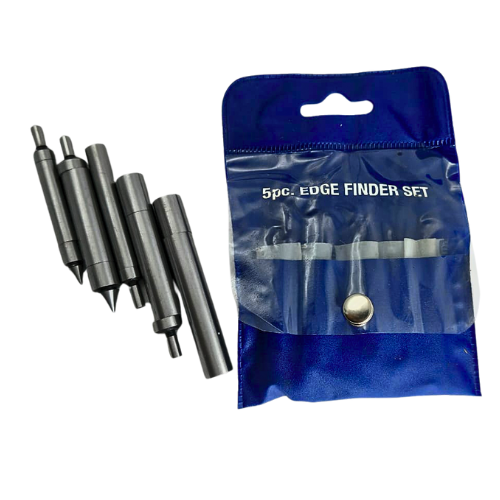


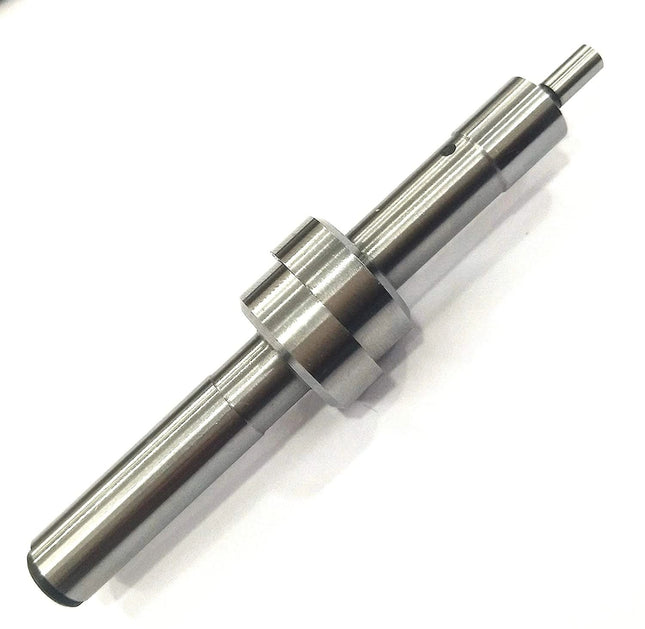
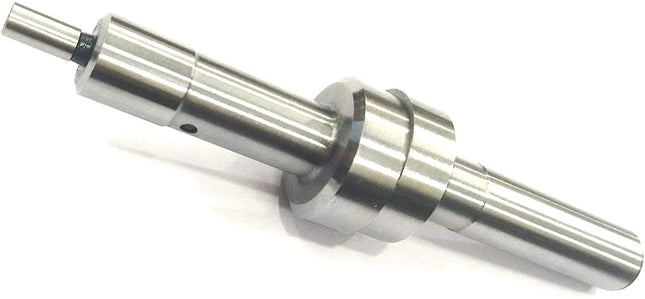
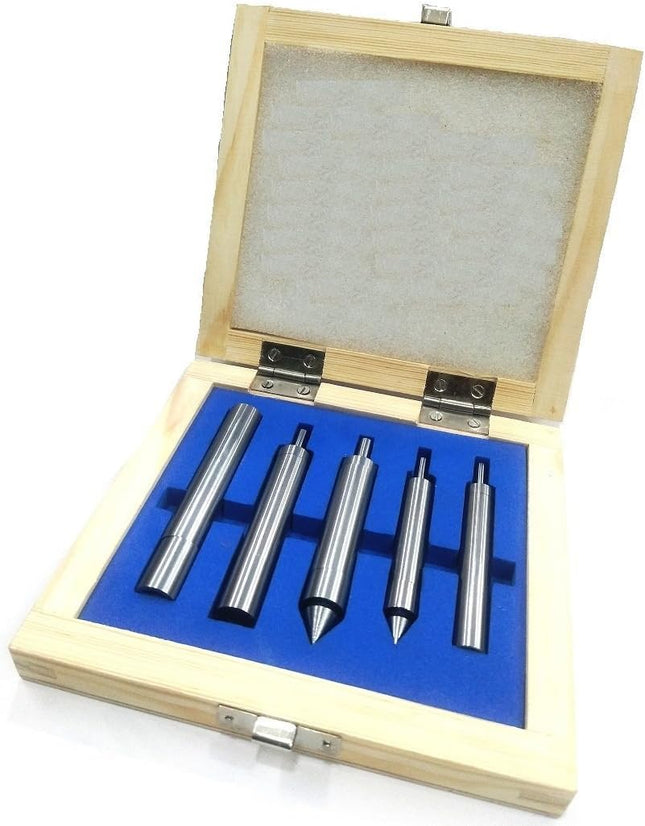
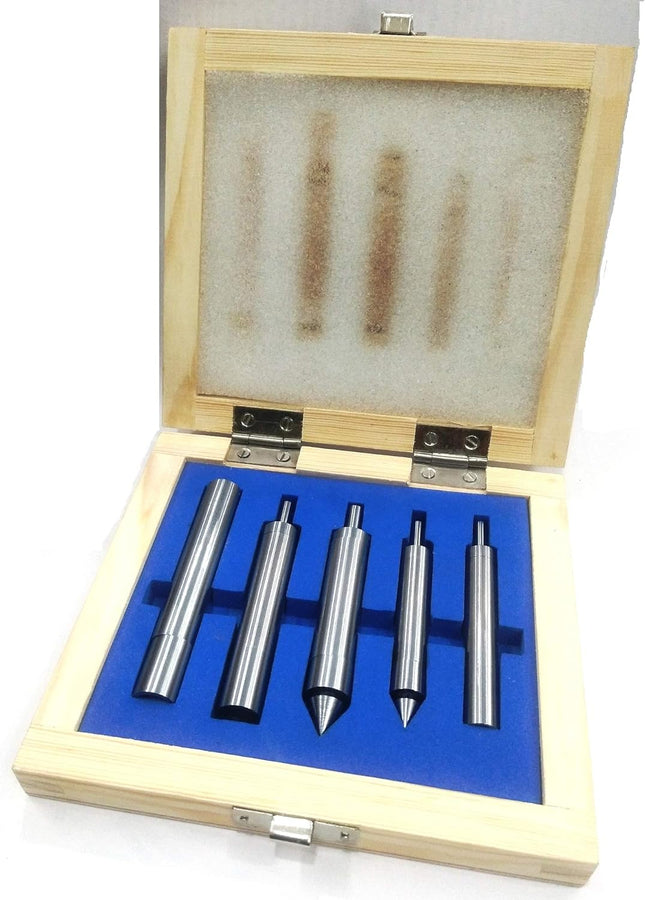
Setting a precise zero point on a milling machine before cutting is not optional. It is the foundation of every dimension your machine produces. An edge finder locates the exact position of the workpiece edge relative to the machine's coordinate system, allowing you to set the work offset so every subsequent move the machine makes is referenced to a known, accurate starting position. Without accurate edge-finding, your first hole or pocket will be in the wrong location, and every feature after it will compound that error.
Buyohlic's edge finder collection covers all three types used in American CNC and VMC shops: mechanical spring-loaded edge finders that signal contact by a physical kickout of the tip, electronic edge finders with LED and audible beep signal for faster and more easily read contact indication, and ceramic edge finders for use on non-conductive workpieces and in applications where the electrical grounding path required by electronic models is not available.
How to Choose Your Edge Finder Type
Mechanical edge finders are the most widely used type in US machine shops. They mount in a collet, run at 750 to 1,500 RPM, and signal contact by having the offset tip snap to the side when it touches the workpiece edge. They work on any material, require no batteries, and are nearly indestructible. For manual milling machines and CNC machines where the operator is watching the setup closely, a mechanical edge finder is the reliable, economical choice.
Electronic edge finders with LED and beep signal are faster to use in production CNC environments where multiple setups are performed per shift. The unmistakable LED and buzzer signal eliminates the need to watch for the mechanical kickout, reducing the chance of a missed signal and the associated setup error. Electronic models work on any electrically conductive metal workpiece.
Ceramic edge finders bridge the gap between the two, allowing an electronic-style signal on non-conductive workpieces such as plastic, composite, and ceramic materials where standard electronic models cannot complete the sensing circuit.
For complete guidance on using edge finders correctly, read our blog on how to use an edge finder on a CNC milling machine. For comparison of mechanical vs electronic types, see our edge finder comparison guide. For milling workholding, see our clamping tools and precision milling vises.
Frequently Asked Questions - Edge Finders
An edge finder is a precision tool that fits into the spindle of a milling machine or VMC. When the spindle rotates and the device contacts the workpiece, the edge finder indicates the precise edge location. This allows the operator to set the machine’s zero position, which is crucial for correct drilling, milling, or boring. Edge finders are normally used at some point in the manual and CNC setup processes.
Run a mechanical edge finder at 750 to 1,500 RPM. The standard recommendation is 1,000 RPM, which produces a clear wobble before contact and a crisp kickout signal when the tip touches the workpiece edge. Too slow and the kickout is sluggish; too fast (above 1,500 RPM) and centrifugal force keeps the tip centered before contact, causing you to miss the signal. Electronic edge finders operate at lower RPM, typically 300 to 800 RPM.
The standard mechanical edge finder has a tip diameter of 0.200 inch. At the moment of kickout, the tip's outer surface is touching the workpiece edge, placing the spindle centerline 0.100 inch (half the tip diameter) away from the true workpiece surface. You must offset your DRO or work coordinate by 0.100 inch to set your zero at the actual workpiece edge rather than at the center of the edge finder tip.
Yes. Edge finders work excellently on aluminum and all common machining metals, including steel, stainless steel, brass, and copper. For electronic edge finders, the workpiece must be electrically conductive, which all metals are. Mechanical edge finders work on any material regardless of conductivity, including aluminum, plastic, wood, and composites.
Edge finders are used in CNC machining centers, VMC machines, Manual milling machines, Tool rooms, job shops, Training and educational workshops. They are especially important when setting up new jobs, changing workpieces, or verifying alignment.
Accurate setup is the foundation of good machining. Edge finders help: Establish a precise machine zero, reduce setup errors, improve dimensional accuracy, prevent material wastage, and ensure repeatable machining results. Even a small setup error can lead to misaligned holes, incorrect cuts, or scrap parts.


