


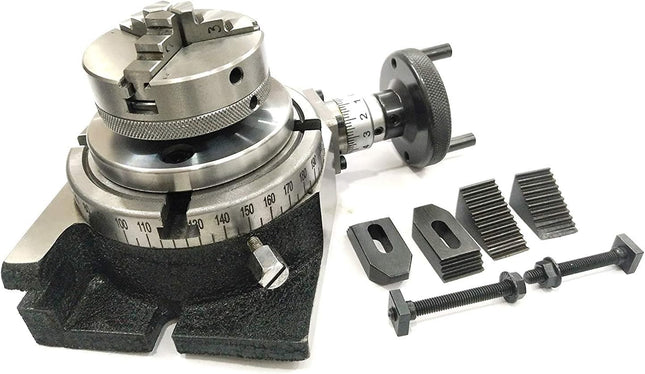
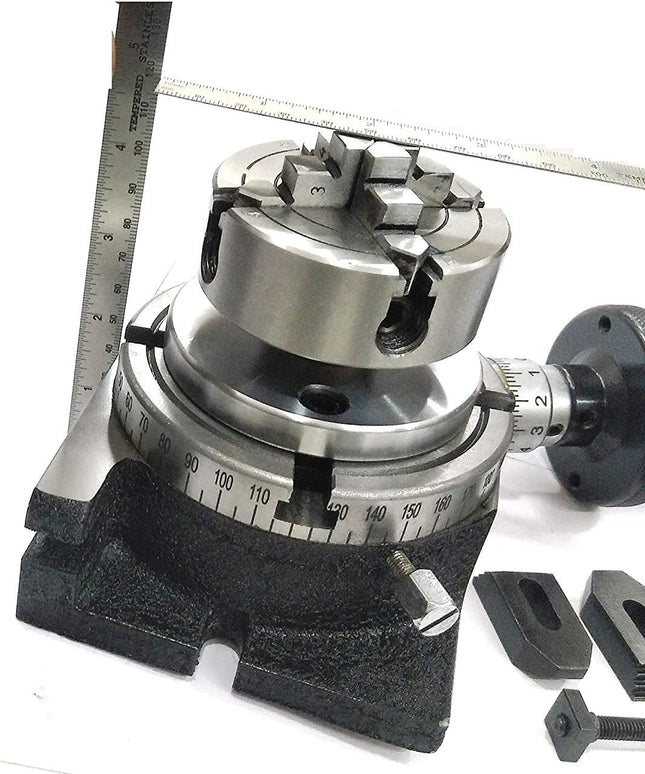


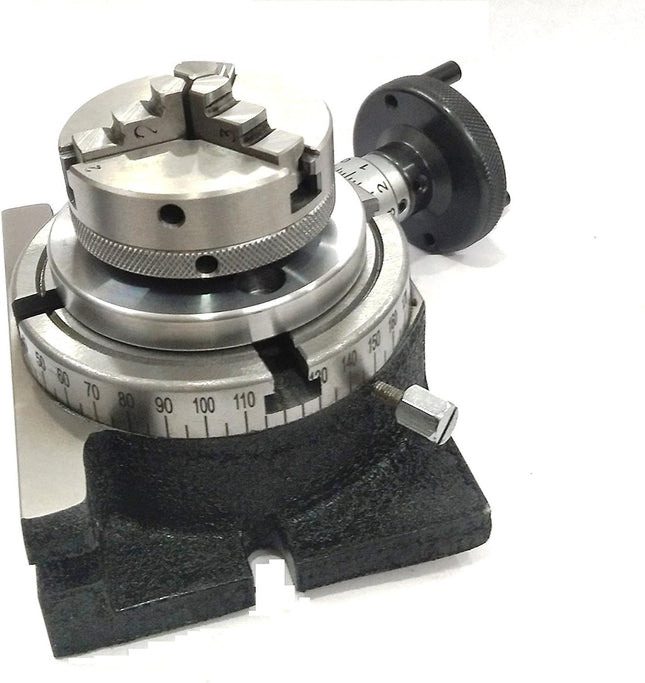
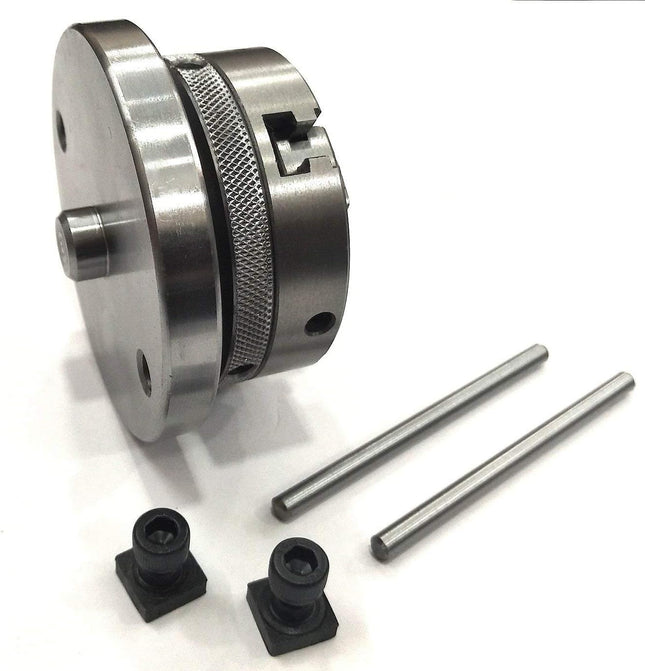
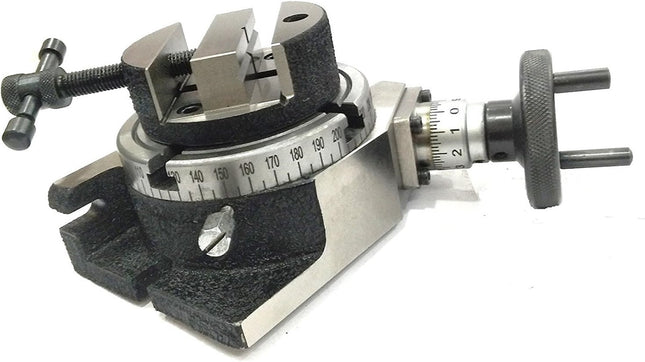

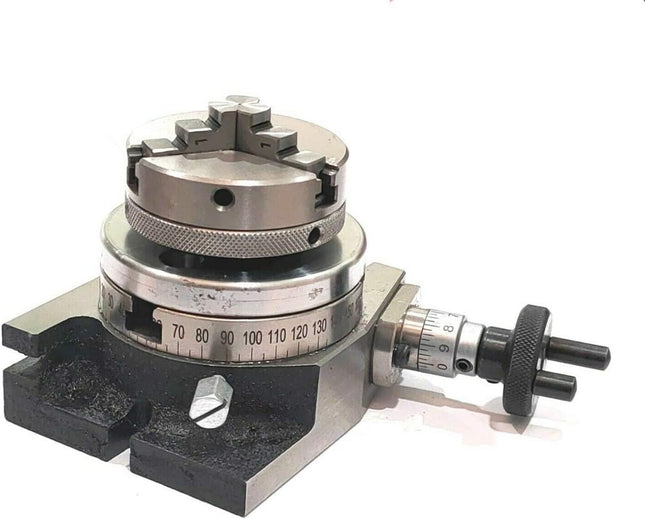


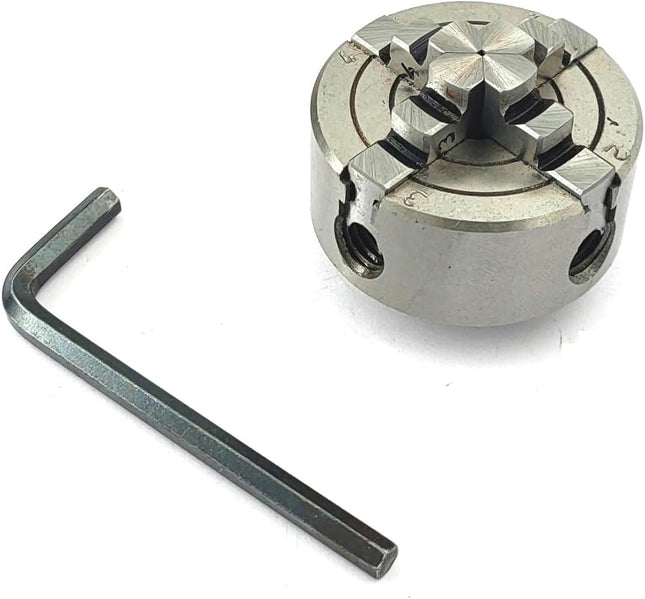
The chuck is the workholding device that holds the workpiece at the lathe spindle nose or on the rotary table face plate. Everything about the accuracy of your turned part starts with how well the chuck holds the workpiece concentric to the spindle centerline. A worn or low-quality chuck with excessive jaw runout produces parts with off-center features and inconsistent diameters. A precision chuck with low runout and firm, even jaw clamping produces parts that are accurate, repeatable, and require minimal corrective machining to bring to tolerance.
Buyohlic's chucks for milling and turning cover both the lathe turning chucks and the specialized milling chucks used for holding end mills and other tools in milling machine spindles. Three-jaw self-centering chucks are the standard for general lathe turning of round and hexagonal stock. Four-jaw independent chucks offer precise off-center positioning for non-cylindrical turning and eccentric work. Collet chucks provide the lowest runout and quickest changeover for production turning of bar stock in a standard range of diameters.
Three-Jaw vs Four-Jaw Chucks
A three-jaw self-centering chuck has all three jaws connected to a single scroll gear mechanism, so all three jaws advance and retract simultaneously. Loading a round bar into a three-jaw chuck centers it on the spindle axis automatically, making three-jaw chucks the fastest choice for everyday turning of cylindrical and hexagonal stock. The limitation is that the scroll mechanism introduces inherent runout (typically 0.003 to 0.010 inch on a new chuck), and this runout increases with chuck wear. Three-jaw chucks are also limited to workpieces with three-fold symmetry: round, hexagonal, and triangular forms seat correctly in a three-jaw chuck, but square or rectangular cross-sections do not.
A four-jaw independent chuck has four jaws each controlled by its own screw. This allows any workpiece shape to be centered on the spindle axis by individually adjusting each jaw against a dial test indicator. The four-jaw chuck achieves much lower runout than a three-jaw (0.0005 inch or better when properly indicated), but each setup requires the time to indicate and adjust all four jaws. Four-jaw chucks are the standard for precision one-off work, eccentric turning, and holding irregular shapes.
Milling Chucks for Tool Holding
In a milling machine or CNC machining center, a milling chuck refers to a tool holding chuck that accepts straight-shank cutting tools. Keyless drill chucks for drilling operations, ER collet chucks for end mills and drills, and milling chuck holders provide the tool-to-spindle interface for all rotary cutting tools on the milling machine. Browse our ER collets and collet adaptor holders for milling machine tool holding solutions.
For rotary table work requiring a chuck on the rotary table face, see our rotary tables and accessories. For complete lathe tooling, see our lathe tools and accessories.
Frequently Asked Questions — Chucks
The four common chuck types are 3-jaw chucks, 4-jaw chucks, collet chucks, and magnetic chucks. Buyohlic offers reliable chuck solutions for turning, drilling, and machining applications.
A 4-jaw self-centering chuck is ideal for bowl turning. It securely grips bowl blanks and provides stability during shaping. Buyohlic chucks ensure accuracy and safe woodturning performance.
Milling is often considered more complex than lathe work because it involves multi-axis cutting and detailed machining operations. Buyohlic provides quality tooling for both milling and turning tasks.
Common lathe chuck issues include jaw wear, poor gripping force, misalignment, runout, and debris buildup. Regular maintenance and quality chucks from Buyohlic help prevent these problems.
Lathe chucks include 3-jaw, 4-jaw, collet, magnetic, drill, and power chucks. Buyohlic offers precision chuck options suitable for woodworking, metalworking, and industrial machining.
A 4-jaw self-centering chuck is widely considered the best wood lathe chuck. It provides strong grip, versatility, and easy adjustment for bowls, spindles, and other woodturning projects.
Chuck size is determined by your lathe spindle bore and the typical workpiece diameter you turn. Most mini lathes (7 to 9 inch swing) use a 3-inch or 4-inch diameter chuck. Mid-size lathes use 5 to 6 inch chucks. Full-size lathes use 6 to 8 inch chucks. The spindle nose thread or camlock pattern must match the lathe's headstock. Check the lathe specification for spindle nose thread size (common US patterns: 1-1/2-8 TPI, 1-3/4-8 TPI, 2-1/4-8 TPI) before ordering a chuck.
New three-jaw chucks from quality manufacturers typically have 0.003 to 0.005 inch TIR (Total Indicated Runout) with a new test bar. Budget chucks can run 0.010 inch or more. Runout increases with use as the scroll mechanism and jaw faces wear. For work requiring better than 0.005 inch runout, use a four-jaw chuck indicated to center or a collet chuck, both of which achieve lower runout than a standard three-jaw scroll chuck.
A collet chuck uses a spring collet to grip bar stock or turned workpieces. Collet chucks achieve much lower runout than jaw chucks (0.001 inch or less for quality ER collet chucks) and allow faster workpiece loading and unloading because no jaw adjustment is needed. They are the standard workholding method for production bar turning where the same diameter stock is run repeatedly. The limitation is that each collet grips only a narrow range (1mm for ER collets), so a full set of collets is needed to cover all diameters worked.


